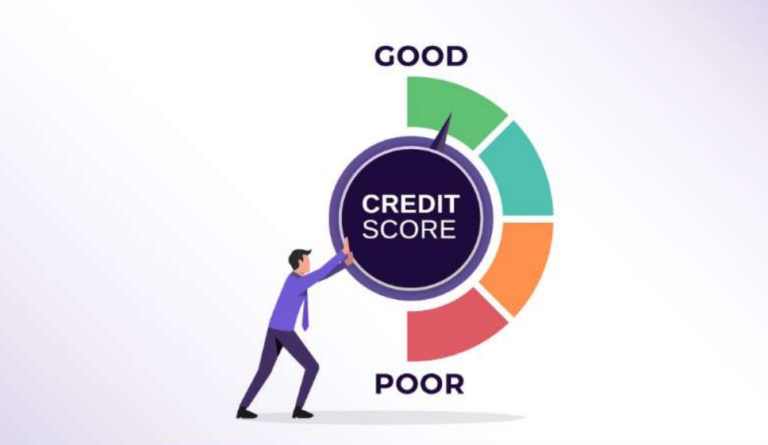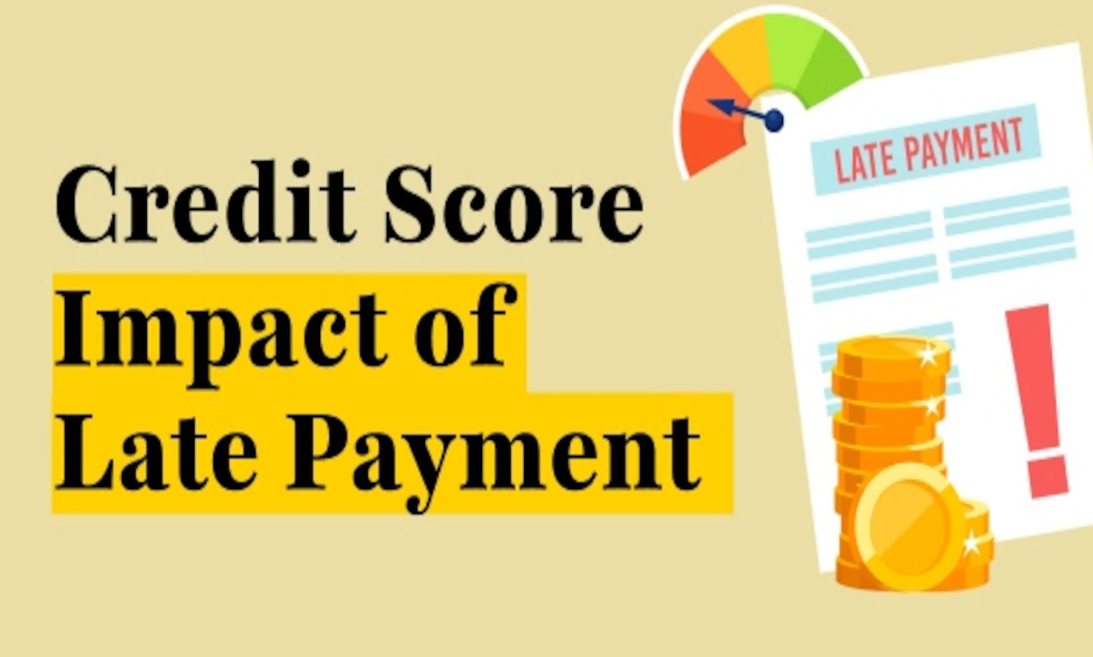
A late payment can significantly impact your financial health, especially if it is reported to the credit bureaus. Whether you missed a credit card payment, loan installment, mortgage payment, or auto loan, a lower credit score can affect your ability to qualify for financing, secure lower interest rates, or even rent an apartment.
The good news is that late payments do not permanently damage your credit profile. With consistent financial habits and the right recovery strategy, you can improve your credit score fast after late payments and rebuild your financial reputation.
This comprehensive guide explains how credit scores work, why late payments matter, practical recovery strategies, and long-term habits that help restore excellent credit.
Understanding Credit Scores
A credit score is a numerical representation of your creditworthiness based on your borrowing and repayment history.
Most scoring models evaluate:
- Payment history
- Credit utilization
- Length of credit history
- Types of credit accounts
- Recent credit inquiries
Payment history generally has the greatest influence, making timely payments essential.
How Late Payments Affect Your Credit Score
Late payments are commonly categorized by the number of days overdue:
- 30 days late
- 60 days late
- 90 days late
- 120+ days late
The longer an account remains unpaid, the more severe the impact on your credit score.
A single 30-day late payment may reduce a good credit score by dozens of points, while multiple missed payments can have a much larger effect.
Why Payment History Matters Most
Lenders want evidence that borrowers consistently repay debt on time.
Payment history demonstrates:
- Financial responsibility
- Reliability
- Risk level
- Debt management ability
Consistent on-time payments gradually outweigh older negative marks.
Common Reasons for Late Payments
Many consumers experience late payments because of:
- Job loss
- Medical emergencies
- Temporary cash-flow problems
- Banking errors
- Forgotten due dates
- Unexpected expenses
- Natural disasters
Regardless of the cause, taking action quickly minimizes long-term damage.
Step 1: Bring Every Account Current
The first priority is eliminating any outstanding delinquency.
Pay:
- Past-due balances
- Late fees
- Minimum required payments
Bringing accounts current stops additional late-payment reporting.
Step 2: Set Up Automatic Payments
Automation prevents future missed payments.
Options include:
- Automatic minimum payments
- Automatic full balance payments
- Scheduled online banking transfers
Even automatic minimum payments can help protect your credit history.
Step 3: Reduce Credit Utilization
Credit utilization measures how much available revolving credit you are using.
Example:
Credit limit: $10,000
Balance: $8,000
Utilization:
80%
Experts generally recommend keeping utilization below:
- 30%
- Ideally under 10% for excellent scores
Lower utilization often leads to noticeable score improvements.
Step 4: Continue Making On-Time Payments
Time is one of the most effective credit-repair tools.
Each consecutive on-time payment strengthens your payment history.
After several months of positive behavior, many borrowers begin seeing gradual score improvements.
Step 5: Review Your Credit Reports
Obtain copies of your credit reports and check for:
- Incorrect balances
- Duplicate accounts
- Fraudulent activity
- Incorrect late-payment records
- Identity theft
Disputing legitimate errors may improve your score.
Step 6: Avoid Opening Too Many New Accounts
Each credit application may trigger a hard inquiry.
Too many inquiries within a short period can temporarily lower your score.
Only apply for credit when necessary.
Step 7: Keep Older Accounts Open
Older accounts contribute to the average age of your credit history.
Closing long-standing accounts may:
- Reduce available credit
- Increase utilization
- Shorten average account age
If possible, keep older accounts active with occasional small purchases.
Step 8: Communicate With Your Lenders
If the late payment resulted from a temporary hardship, contact the lender promptly.
Some creditors may:
- Waive late fees
- Offer payment plans
- Provide hardship assistance
- Update reporting after consistent repayment
While no lender is required to remove accurate information, proactive communication may lead to flexible solutions.
Step 9: Build Positive Credit Activity
Adding positive payment history helps offset older negative information.
Examples include:
- Responsible credit card use
- Installment loans paid on time
- Secured credit cards
- Credit-builder loans
Positive activity strengthens your overall profile over time.
Understanding Credit Utilization
One of the quickest ways to improve your score is reducing revolving balances.
Example:
Credit Card A:
Limit: $5,000
Balance: $4,500
Utilization:
90%
After paying the balance down to $1,000:
Utilization:
20%
Lower utilization often contributes to better credit scores.
The Importance of Emergency Savings
Unexpected expenses frequently lead to missed payments.
An emergency fund can help cover:
- Medical bills
- Car repairs
- Temporary unemployment
- Home maintenance
- Essential living costs
Even modest savings provide valuable financial stability.
Budgeting to Prevent Future Late Payments
Create a monthly budget that prioritizes:
- Housing
- Utilities
- Insurance
- Loan payments
- Credit cards
- Essential expenses
Tracking spending reduces the likelihood of missed due dates.

Mistakes That Slow Credit Recovery
Avoid these common errors:
- Missing additional payments
- Maxing out credit cards
- Closing old accounts unnecessarily
- Ignoring collection notices
- Applying for excessive new credit
- Cosigning risky loans
Consistent financial discipline supports faster recovery.
How Long Do Late Payments Stay on Credit Reports?
Late payments can remain on credit reports for several years, although their impact generally lessens over time when followed by positive payment behavior.
Recent late payments usually have a stronger influence than older ones.
Debt Reduction Strategies
Lower debt improves both cash flow and credit health.
Popular approaches include:
Snowball Method
Pay the smallest balances first to build momentum.
Avalanche Method
Prioritize debts with the highest interest rates to reduce total borrowing costs.
Both methods can be effective when followed consistently.
Secured Credit Cards
Consumers rebuilding credit often benefit from secured credit cards.
Advantages include:
- Easier approval
- Reports to major credit bureaus
- Opportunity to establish positive payment history
- Helps improve utilization when balances remain low
Responsible use is essential.
Credit-Builder Loans
Credit-builder loans are designed to help individuals establish or rebuild payment history.
Benefits include:
- Fixed monthly payments
- Predictable repayment schedule
- Positive reporting to credit bureaus
- Improved financial habits
Identity Theft Protection
Monitor financial accounts regularly for:
- Unknown accounts
- Unauthorized charges
- Suspicious inquiries
Early detection limits financial damage.
Frequently Asked Questions
Can my credit score recover after a late payment?
Yes. Although late payments can lower your score, consistent on-time payments, lower credit utilization, and responsible credit management can gradually improve it.
How quickly can my score improve?
The timeline varies based on your overall credit profile, the severity of the late payment, and your subsequent payment history. Reducing high credit card balances may produce improvements sooner, while payment history strengthens gradually over time.
Should I close paid-off credit cards?
Not necessarily. Keeping older accounts open may support your credit history length and available credit, provided they do not carry high fees.
Is paying off all debt enough?
Paying off debt helps, but maintaining on-time payments, low utilization, and responsible account management are equally important.
Can budgeting improve my credit?
Indirectly, yes. A realistic budget helps ensure bills are paid on time and reduces reliance on excessive borrowing.
Long-Term Habits for Excellent Credit
Strong credit is built through consistent financial behavior:
- Pay every bill on time.
- Keep credit card balances low.
- Monitor your credit reports regularly.
- Limit unnecessary credit applications.
- Maintain an emergency savings fund.
- Use credit responsibly.
- Review your budget each month.
- Track spending and financial goals.
These habits contribute to long-term financial stability.
Final Thoughts
Recovering from late payments requires patience, consistency, and disciplined financial management. While no legitimate method can erase accurate late-payment records overnight, you can improve your credit score fast after late payments by focusing on actions within your control.
Prioritize bringing all accounts current, make every future payment on time, reduce credit utilization, monitor your credit reports for errors, and build a positive payment history through responsible credit use. Over time, these practices help restore lender confidence and improve your financial opportunities.
Whether your goal is qualifying for a mortgage, obtaining a lower-interest auto loan, securing a business loan, or simply strengthening your financial profile, steady progress and good credit habits remain the most reliable path to long-term success.